












What joint development means
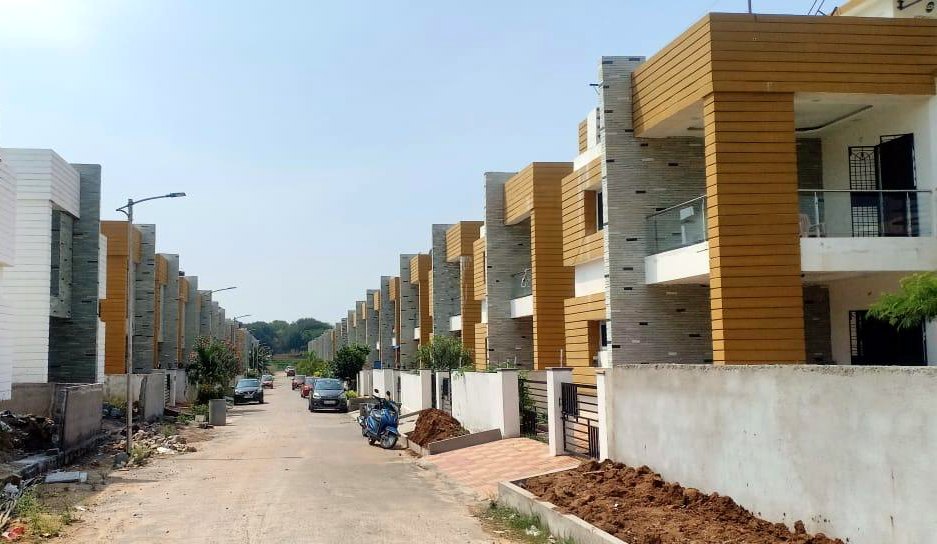
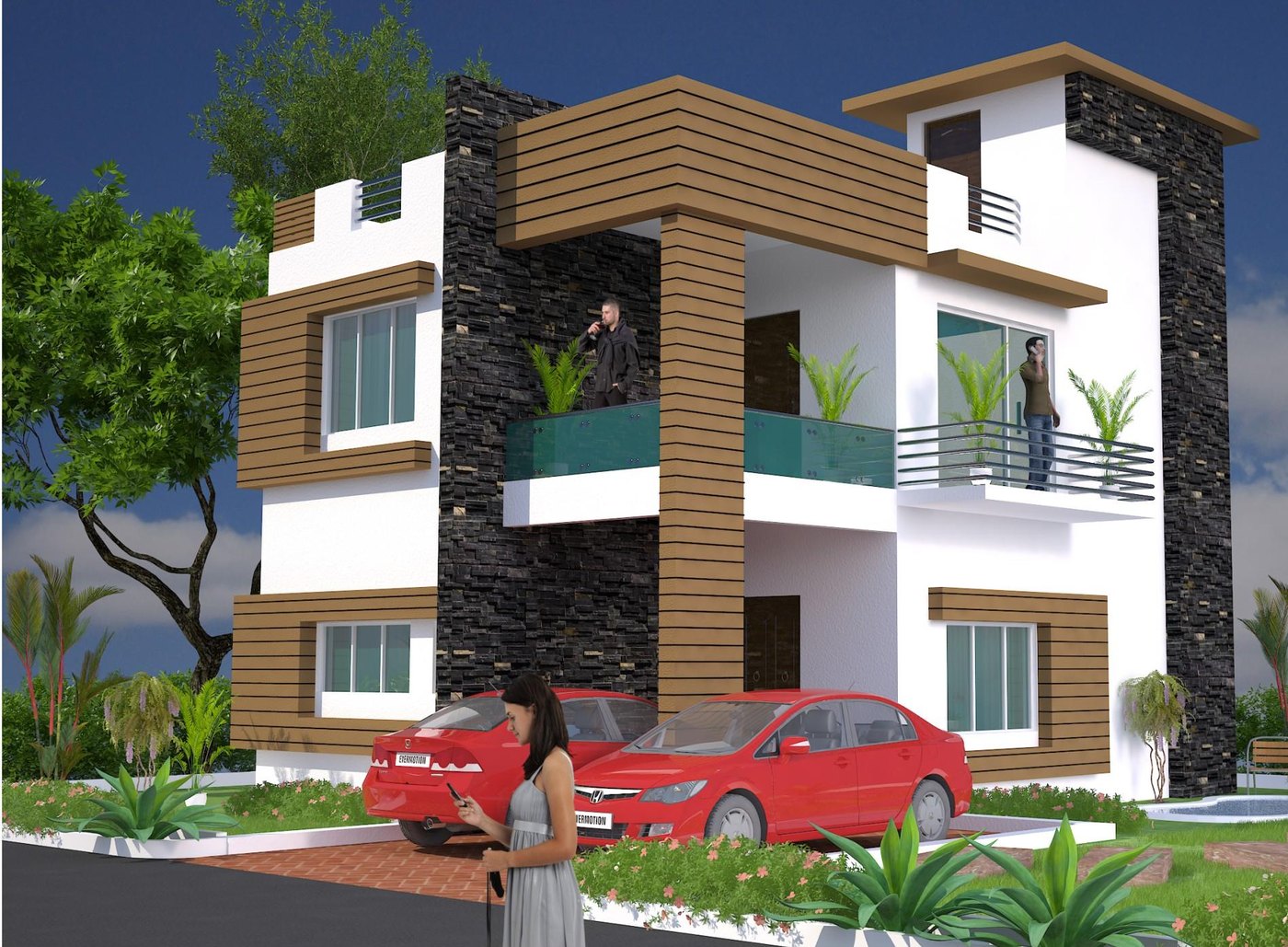
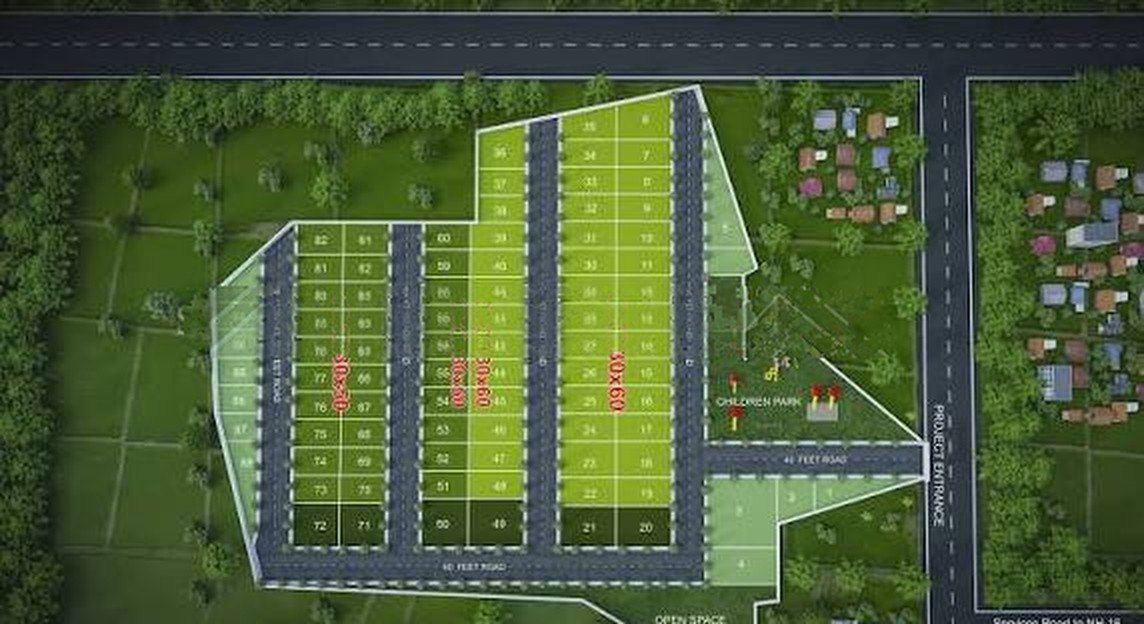
In a joint development, you keep your land and a developer builds on it. The developer pays for the design, approvals, construction and sales. In return you receive an agreed share: either a share of the homes or plots built, or a share of the sale money. You do not need to sell your land or put in money of your own.
The usual ways to share
- Area sharing. You receive an agreed share of the finished homes or plots, which you can keep, rent out or sell.
- Revenue sharing. You receive an agreed share of the money collected from buyers, sometimes with a minimum guaranteed amount.
- An advance or deposit. Either arrangement can include a refundable deposit or a non-refundable advance paid when the agreement is signed.
- Outright sale. If you prefer, the developer buys the land outright.
How big your share is depends on the location, the road in front of the land, what can be built there, and how much the homes will sell for. Shares in Hyderabad vary widely from one area to the next, so compare offers for land like yours, close to yours.
Documents to get ready
- The title deeds that show how the land came to you, going back as far as possible, with the mother deed.
- An encumbrance certificate showing there is no loan or charge on the land.
- Revenue records (pahani, 1-B and the Bhu Bharati record) that match the survey numbers and extent on the deeds.
- Legal heir papers if the land was inherited, with every heir identified and agreeing.
- A recent survey sketch, and receipts for taxes and dues.
The agreement
- The joint development agreement and the power of attorney given to the developer should both be registered, not only signed or notarised.
- The agreement should say exactly what your share is (which units, or what percentage of collections), how area is measured, when the project will be finished, what happens if it is late, and how either side can exit if the other defaults.
- The project must be registered with Telangana RERA before any home is advertised or booked.
- Have the agreement checked by your own lawyer.
Taxes, in outline
Tax on a joint development is not simple, so speak to your chartered accountant before you sign. In outline: for individuals and families holding the land as an investment, income-tax law can let the capital gain on your share be taxed when the completion certificate is issued rather than when you sign, provided the agreement is registered. The developer deducts tax at source on any money paid to you. GST may also apply. Plan for all of this with your CA.
Choosing a developer
A larger share means nothing if the project is never finished. Look at what the developer has completed and handed over, visit those communities, and talk to the people who live there.
Working with us
We have worked with landowners since 2006. After you write to us, our land team calls you, visits the land and checks the title, then sends you a written proposal. Nothing is binding until the agreement is registered.
General information only, not legal or tax advice.